The British Museum: A Journey Through History

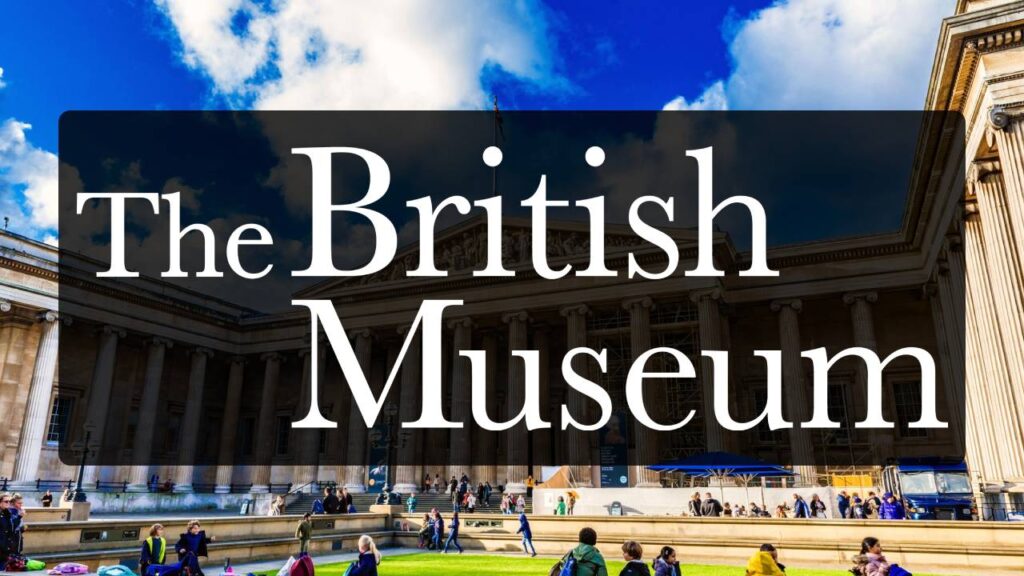
The British Museum stands as the foremost museum of history and archaeology in the UK, situated in the Bloomsbury area of London. This article aims to present a comprehensive overview of its background and the intriguing experiences it provides for visitors. Readers will learn about the precise location of the museum, along with the galleries and exhibitions it features.
| Name | The British Museum |
| Country | Great Britain |
| Date founded | 7 January 1753 (opened 15 January 1759) |
| Location | Great Russell Street, London, England |
| Collection size | over 8,000,000 items |
| Number of visitors | 6,440,120 (2025) |
| Director | Nicholas Cullinan |
| Area | 75,000 m² |
| Opening hours | daily 10:00–17:00 (until 20:30 on Fridays) |
| Admission | free to the main exhibitions |
The Evolution of the British Museum
Established in the 18th century, the British Museum is one of the most ancient and renowned museums globally, becoming the first national museum accessible to all— not just academics but also the general public. It was created in 1753 through the efforts of the British Parliament. The museum was founded based on the will of Sir Hans Sloane, a physician, naturalist, and collector, who left his collection to the British government for a nominal fee of 20,000 pounds sterling.

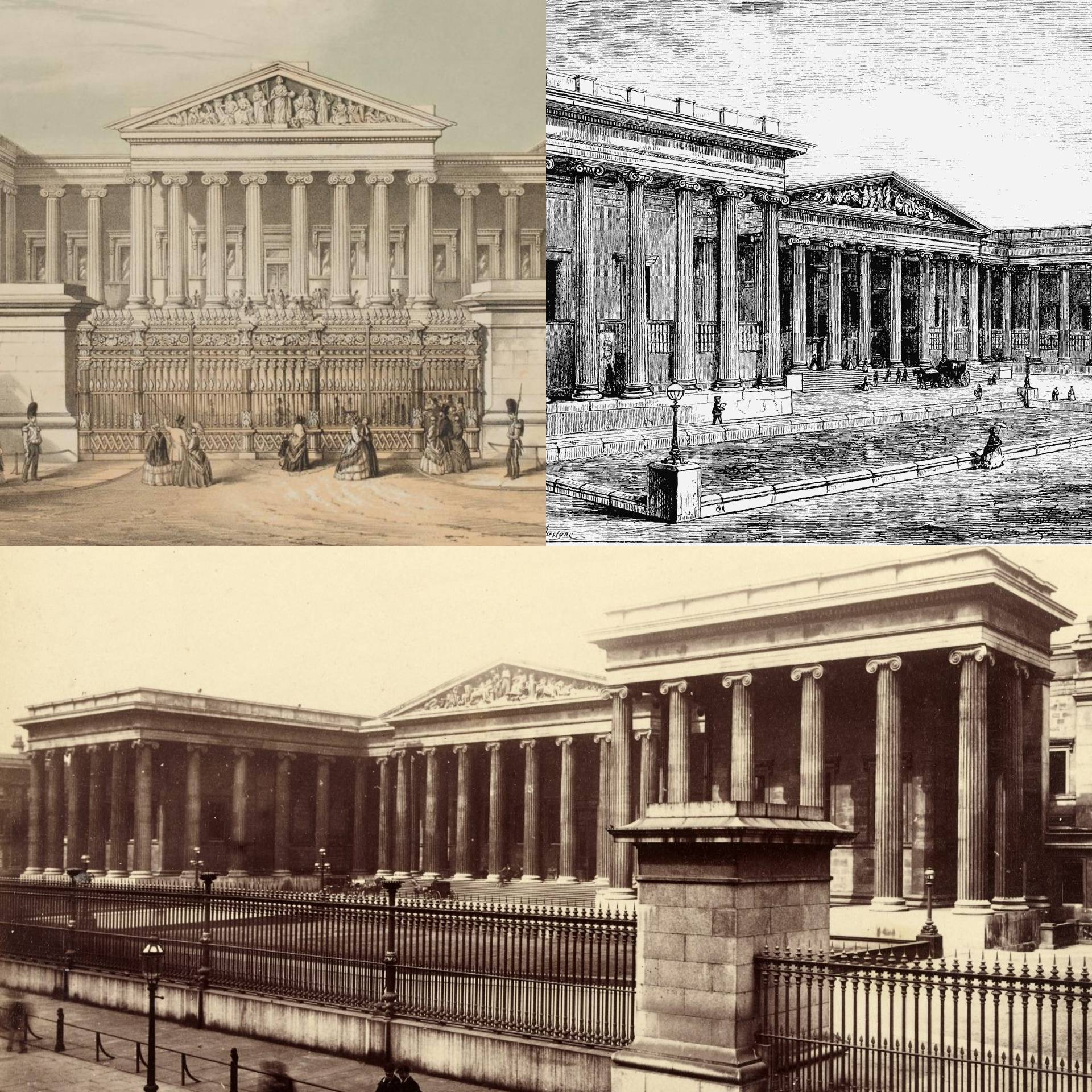
The museum officially opened its doors to visitors on 15 January 1759. It was initially located in Montague House in London, which served as the first venue for the museum’s displays. The foundation of the museum was based on three primary collections:
- Sir Hans Sloane’s collection, which included around 71,000 items such as literary works, manuscripts, natural specimens, ancient artefacts, coins, and engravings;
- the library of antiquarian Robert Cotton;
- and the collection belonging to the Earl of Robert Harley.
As time progressed, the collection grew through archaeological digs, colonial acquisitions, donations from private collectors, and purchases. Notable additions included the ancient vases from William Hamilton (1772), the ‘Townley Marbles’ (1804, 1814), the Greville mineral collection (1810), and the Parthenon sculptures and reliefs (1814–1815), which were acquired from Lord Elgin.
The 19th century marked a period of significant expansion for the museum. The collection was organised into various departments, including a numismatic department that housed coins and medals from different nations and periods. The zoological, botanical, geological, and mineralogical departments were separated to form an independent Natural History Museum, which was relocated to South Kensington in 1845.
The present museum structure was built between 1823 and 1847 on the site of Montague House. The design was crafted by architect Robert Smerk, who employed the Classical style known as ‘Greek Revival’.
At the start of the 20th century, the museum broadened its collection of Middle Eastern art, thanks to excavations conducted in Mesopotamia. In 1920, a research laboratory was set up to evaluate the condition of exhibits for future restoration efforts.
In 1972, following a resolution by the British Parliament, the library was detached from the museum and relocated to a different building. Towards the end of the 20th century, the museum’s interior underwent a redesign based on a project by Norman Foster, which included the installation of the iconic glass mesh dome over the Great Court.
In 2024, the London Museum received a significant donation consisting of a collection of Chinese porcelain, estimated to be worth around £1 billion. Today, its collection encompasses the entirety of human cultural history, from ancient civilisations to contemporary times.
What can be explored at the British Museum?
The British Museum contains cultural treasures from every continent, spanning from ancient Egypt to classical Greece, as well as from prehistoric implements to items from more contemporary periods. The museum’s collection features over 8 million pieces, many of which demonstrate the progression of society throughout history and across various regions.
Exhibitions
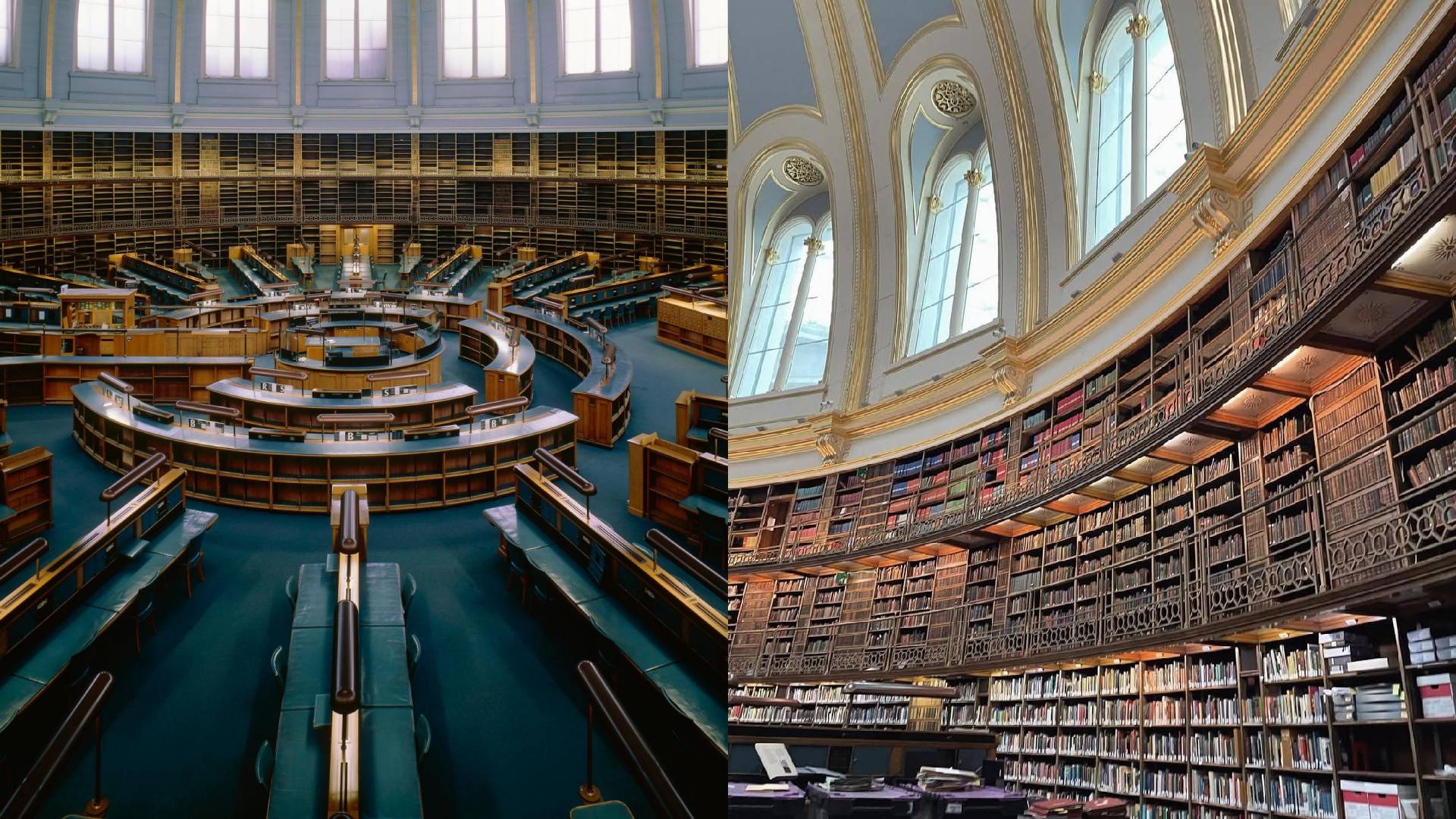
The galleries of the British Museum resemble small museums within the larger institution. There are more than 60 of these spaces, each focusing on a particular culture, time period, or geographical area. Here’s what distinguishes them:
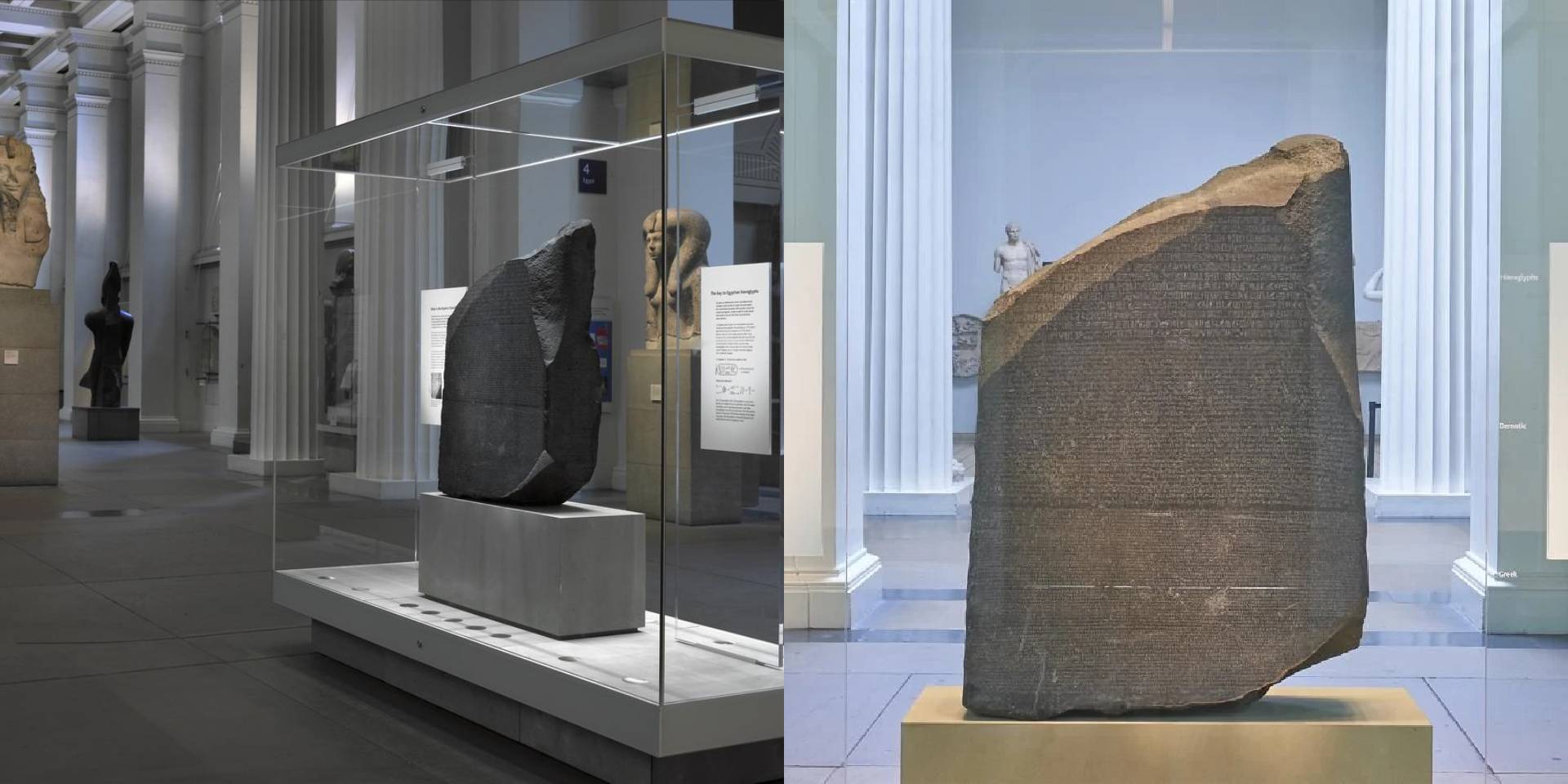
- Egyptian sculpture gallery — here you can view the renowned Rosetta Stone and enormous statues of pharaohs, which seem to transport you back to the era of ancient Egypt.
- The Sainsbury Africa Galleries — a compilation of African art and everyday items that narrate the tale of the remarkable variety of cultures throughout the African continent.
- Roman Empire and Greek galleries — rooms displaying ancient Roman and Greek sculptures, vases, and reliefs, depicting the daily lives of individuals in antiquity.
- China and South Asia — a gallery presenting artefacts from China and South Asia, including ceramics, carved stones, and items of religious importance.
- Medieval Europe and Europe 1400–1900 — European collections that enable visitors to trace the evolution of art and culture across the continent.
Every gallery conveys a unique narrative. Even if you dedicate an entire day to exploring, it’s challenging to experience everything.
Exhibitions
Alongside its permanent collections, The British Museum frequently hosts exhibitions and temporary displays — these are unique initiatives that last for several months and focus on a particular theme or historical period. One of the museum’s upcoming exhibitions, ‘Hawaiʻi: Kingdom Crossing Oceans’, is scheduled from January to May 2026 and delves into Hawaiian culture and its links to the broader world.
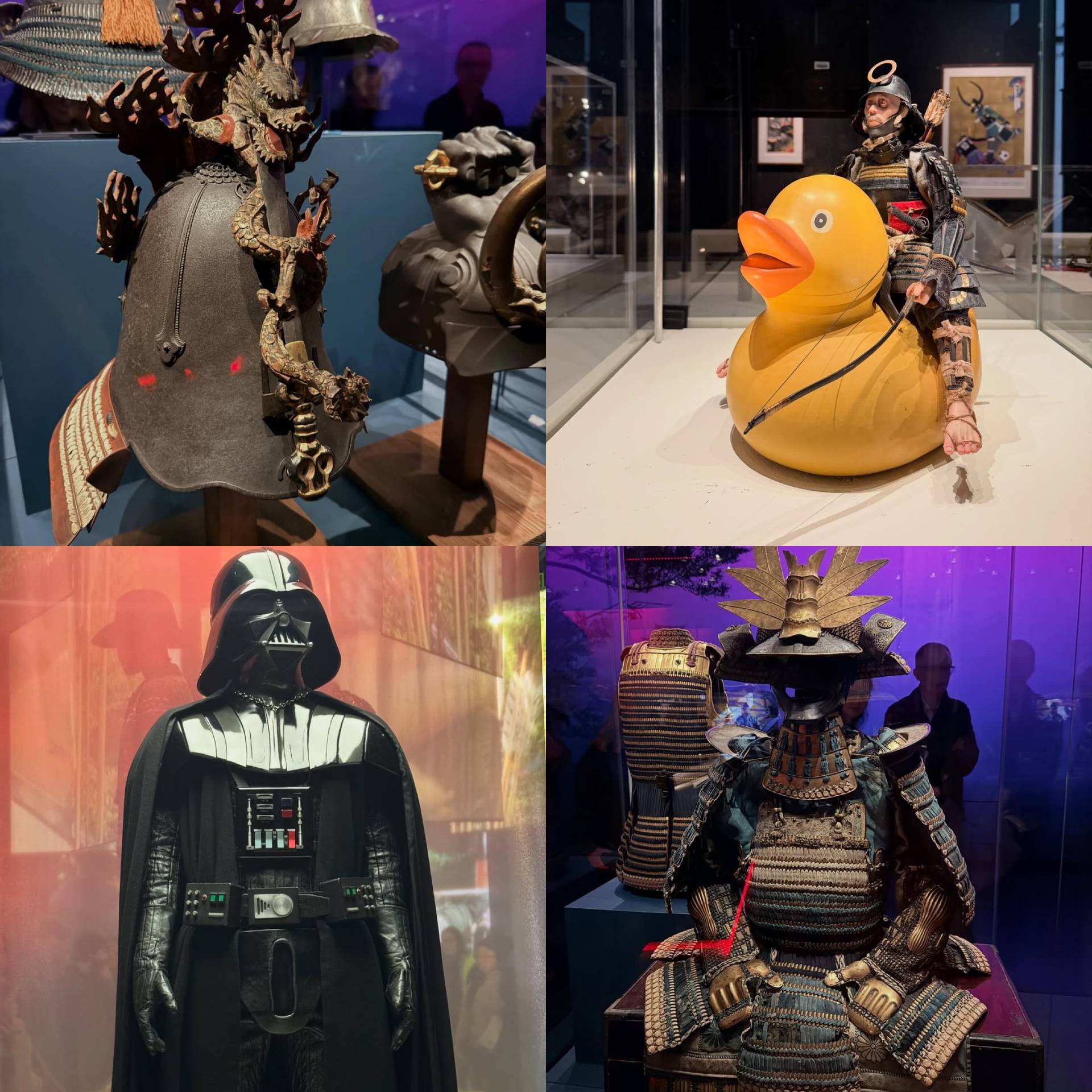
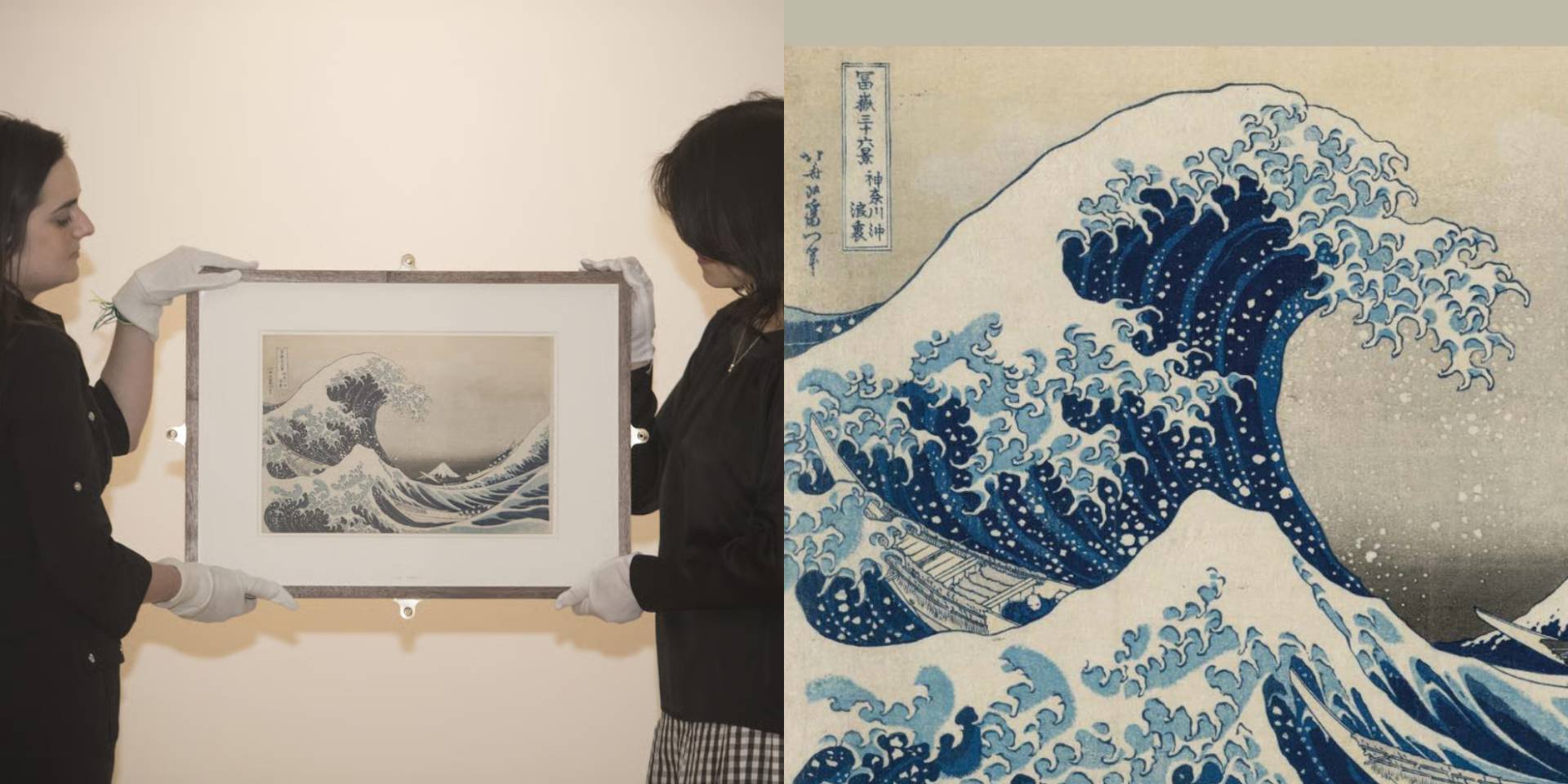
Another exhibition — centred on the Samurai — highlights the history and artistry of the samurai, showcasing their armour and weaponry. The museum not only arranges temporary exhibitions but also offers events, guided tours, lectures, and family activities, enhancing the overall visitor experience.
Location of The British Museum
The British Museum is located in central London, within the Bloomsbury area. This vibrant section of the city is renowned for its educational institutions, bookstores, and tranquil, green courtyards. The primary entrance is found on Great Russell Street, a road adorned with cafés, theatres, and historic structures, making the stroll to the museum enjoyable even before entering. Nearby, you can find the University of London, Russell Square, Covent Garden, and Soho, all just a short walk away.
Layout of The British Museum
The map of the British Museum serves not merely as a blueprint of the structure, but as a comprehensive guide to the extensive area, showcasing various galleries, levels, and helpful points of interest for guests. It illustrates the arrangement of the museum’s floors — extending from the basement to the upper levels, where a diverse range of galleries and collections can be found. The map marks the positions of staircases, lifts, cafés, shops, the cloakroom, and information centres. This resource simplifies navigation between floors and diminishes the likelihood of disorientation.
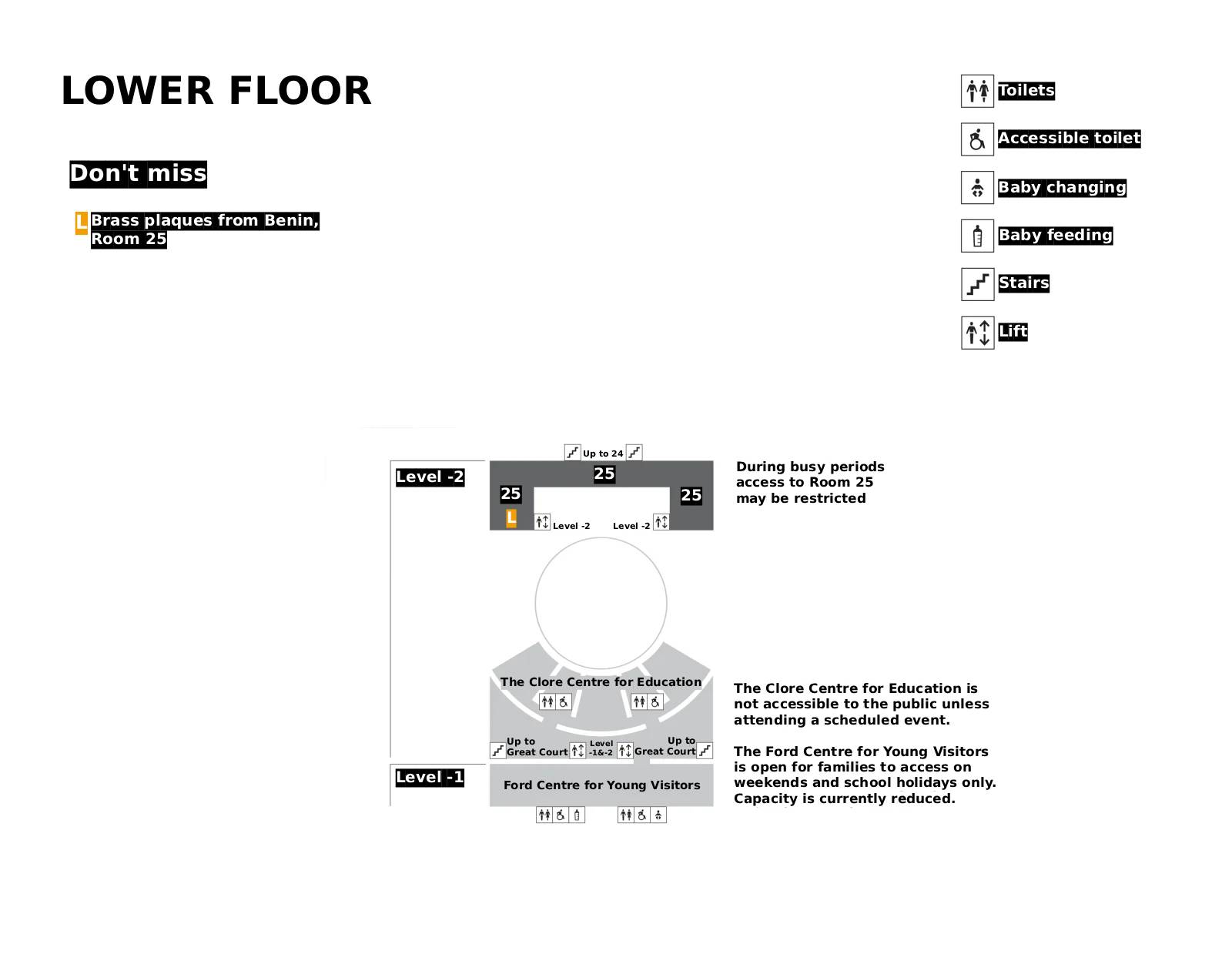
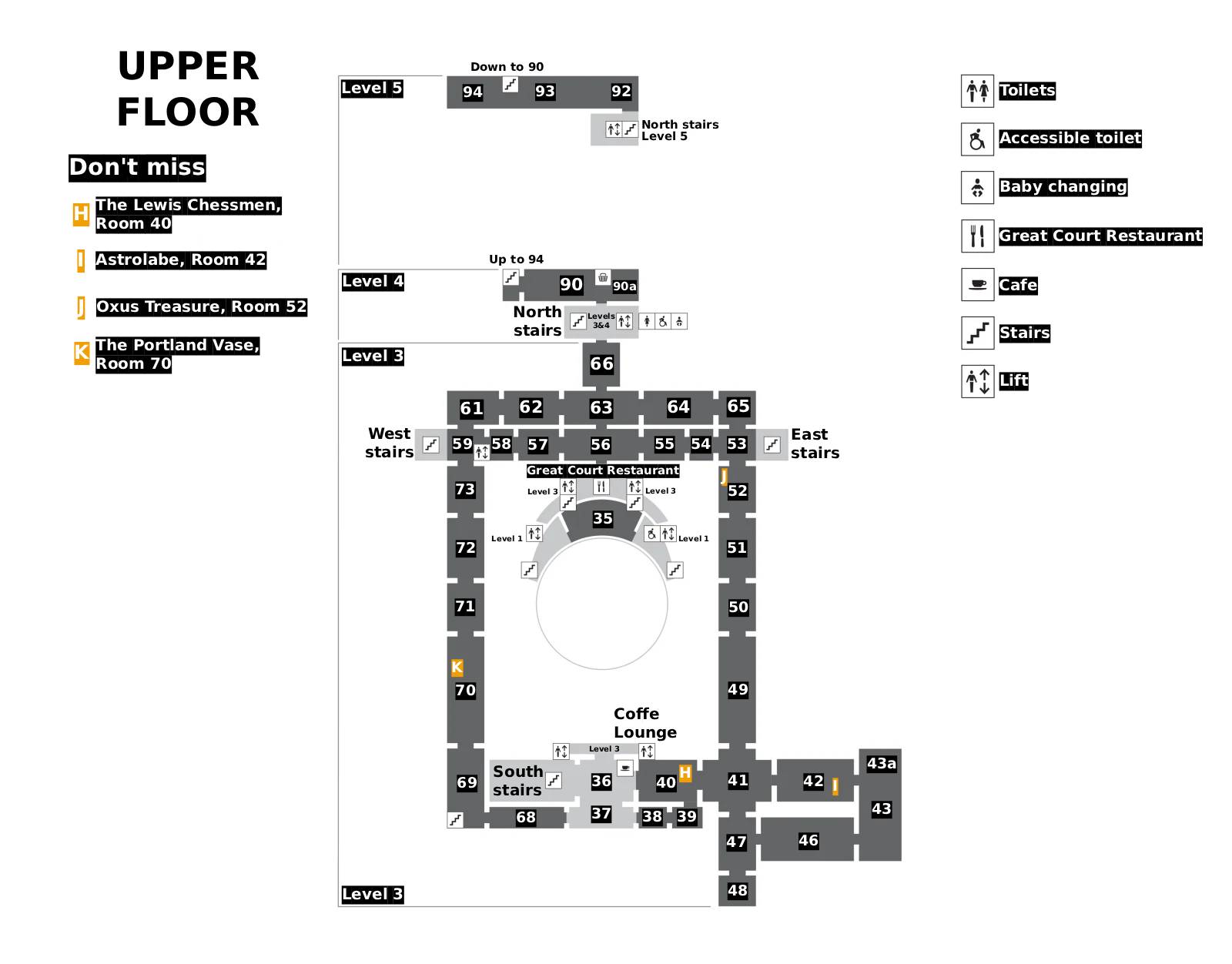
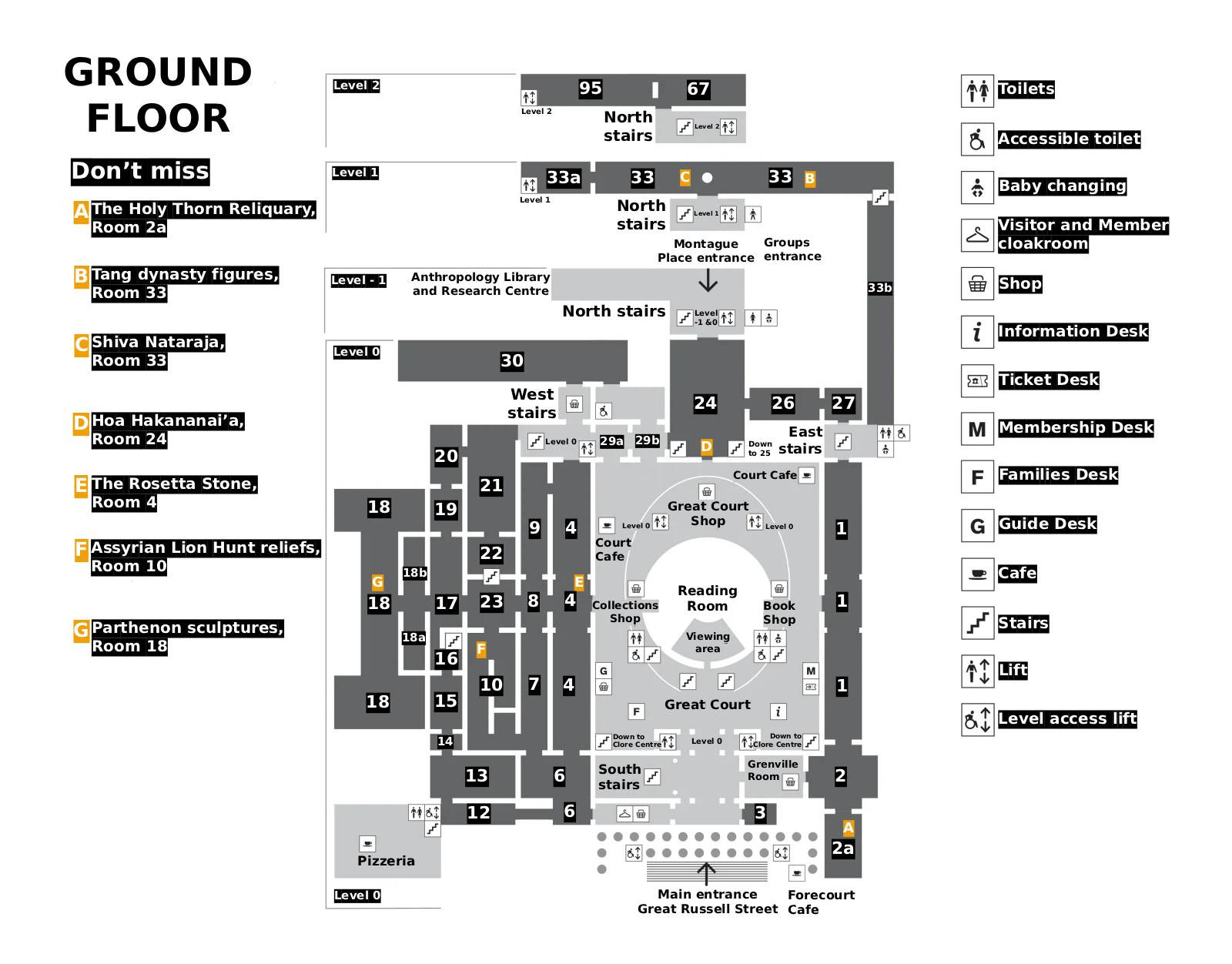
At the heart of the map is the Great Court — a spacious indoor area beneath a glass dome, surrounded by the main entrances, cafés, and shops. From this central point, visitors can access various floors and embark on their exploration of the galleries: spanning from Ancient Egypt to Classical Antiquities, and from Asia to Europe. The map also denotes staff and family zones — such as the Ford Centre for Young Visitors and educational areas located on the lower levels, which are available on select days for families with children.
The primary levels are outlined as follows:
- Lower floor — this level houses the family and children’s areas, educational facilities, and a portion of the African collection.
- Ground floor — the most frequented level: featuring the Great Court, cafés, shops, information desks, and access to numerous galleries with ancient artefacts.
- Upper floors — this area concentrates the main galleries, showcasing items from Asia, Europe, the Middle East, the ancient world, and other regions, including rooms dedicated to ancient Greek, Sumerian, and Chinese ceramics.
The map assists in identifying significant galleries, such as the Egyptian sculpture or the Parthenon, and facilitates movement between levels via the staircases, lifts, and the main staircase in the Great Court. It also underscores all essential amenities: restrooms, relaxation areas, accessible zones for visitors with mobility challenges, and spaces with cafés or dining options. This makes it an indispensable resource for planning your visit and ensures you won’t overlook any fascinating aspects.
What is the best way to reach the British Museum?
The British Museum is straightforward to access, as it is situated in the heart of London and has excellent public transport links. You simply need to select the most suitable option to reach it.
Subway
The closest stations to the museum include Tottenham Court Road (Central and Northern lines), Holborn (Central and Piccadilly lines), and Russell Square (Piccadilly line).
Bus Services
A variety of bus routes operate in the city centre, with several stopping close to Great Russell Street. These include routes 1, 8, 19, 25, 38, 55, 98, 242, and 390.
Train
The closest train station is London Euston. From there, the museum can be accessed either by walking or by bus within a time frame of 10–15 minutes.
Accessing by taxi, bicycle or walking
Taxis provide straightforward access to the main entrance located on Great Russell Street. Additionally, there are facilities for bicycle parking and Santander Cycles stations in proximity to the museum.
Reaching the museum on foot is also simple: it is situated in the Bloomsbury district, just a short 5-minute stroll from Tottenham Court Road Underground station.
The museum is designed to be accessible for individuals with reduced mobility; all entrances and lifts are equipped with ramps.
Visitor Information
Prior to your trip to the British Museum, it is advisable to verify the opening times and ticket costs. Additionally, we suggest checking for nearby hotels and dining options.
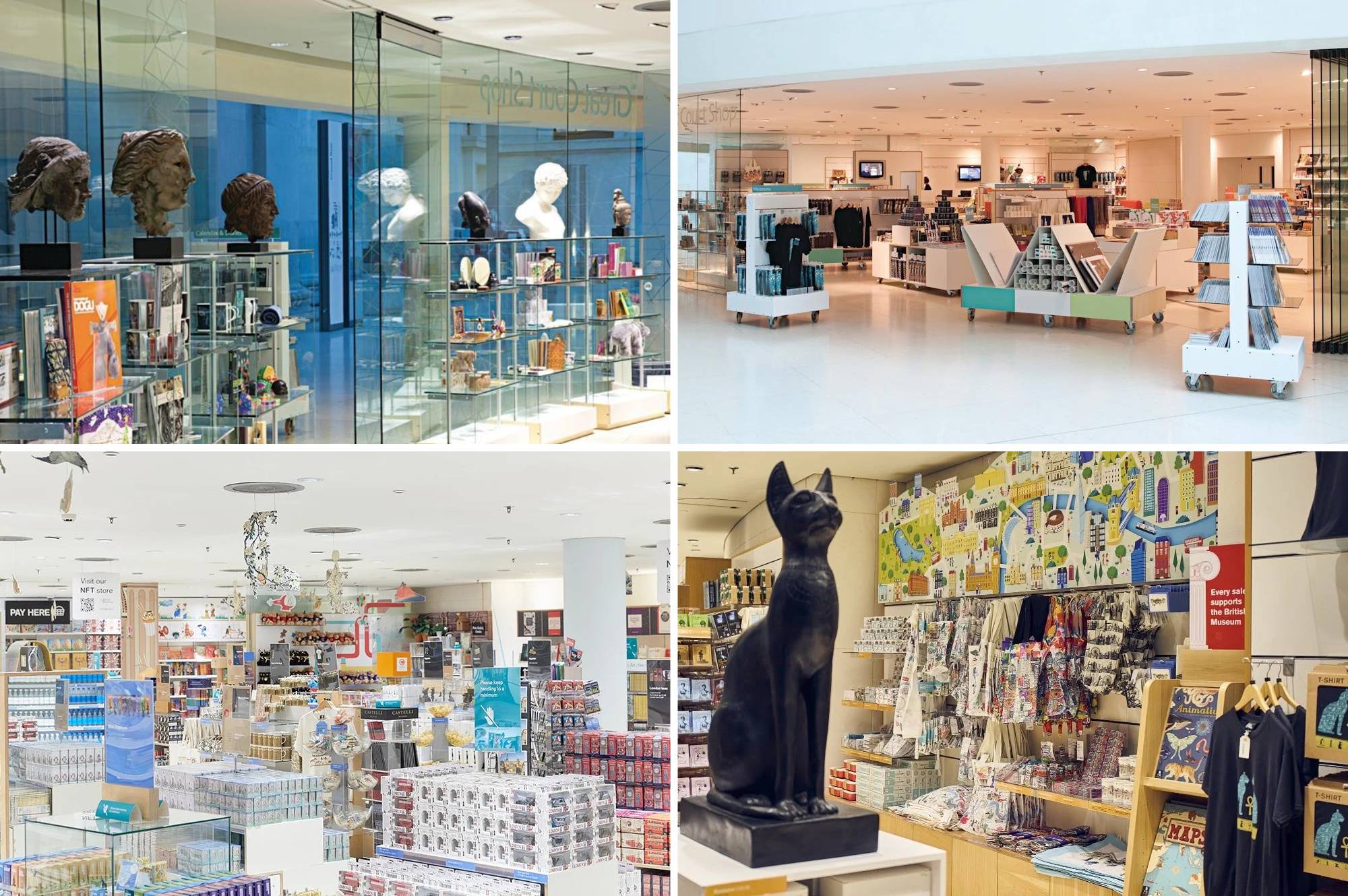
Hours of operation
The British Museum operates daily from 10:00 to 17:30, with the final entry at 17:00. On Fridays, the museum extends its hours, remaining open until 20:30.
Tickets
While entry to the museum is complimentary, it is recommended to reserve tickets online ahead of time, especially during busy seasons. There might be a fee for accessing temporary exhibitions, with prices detailed on the specific exhibition page during the booking process.
Estimated prices are:
- for adults – £15–£25;
- for students and senior citizens – £12–£20;
- for young people – £12–£18.
Generally, children under 16 can enter for free.
Accommodation Options Close to The British Museum
Here are some excellent hotels situated near The British Museum:
- The Bloomsbury Hotel – a high-end hotel located merely a 5-minute stroll away.
- Radisson Blu Edwardian, Kenilworth – offering cosy lodging in the heart of London.
- Holiday Inn London – Bloomsbury – a practical choice for families.
Dining Options
Here is a selection of dining establishments to consider when planning your trip to The British Museum:
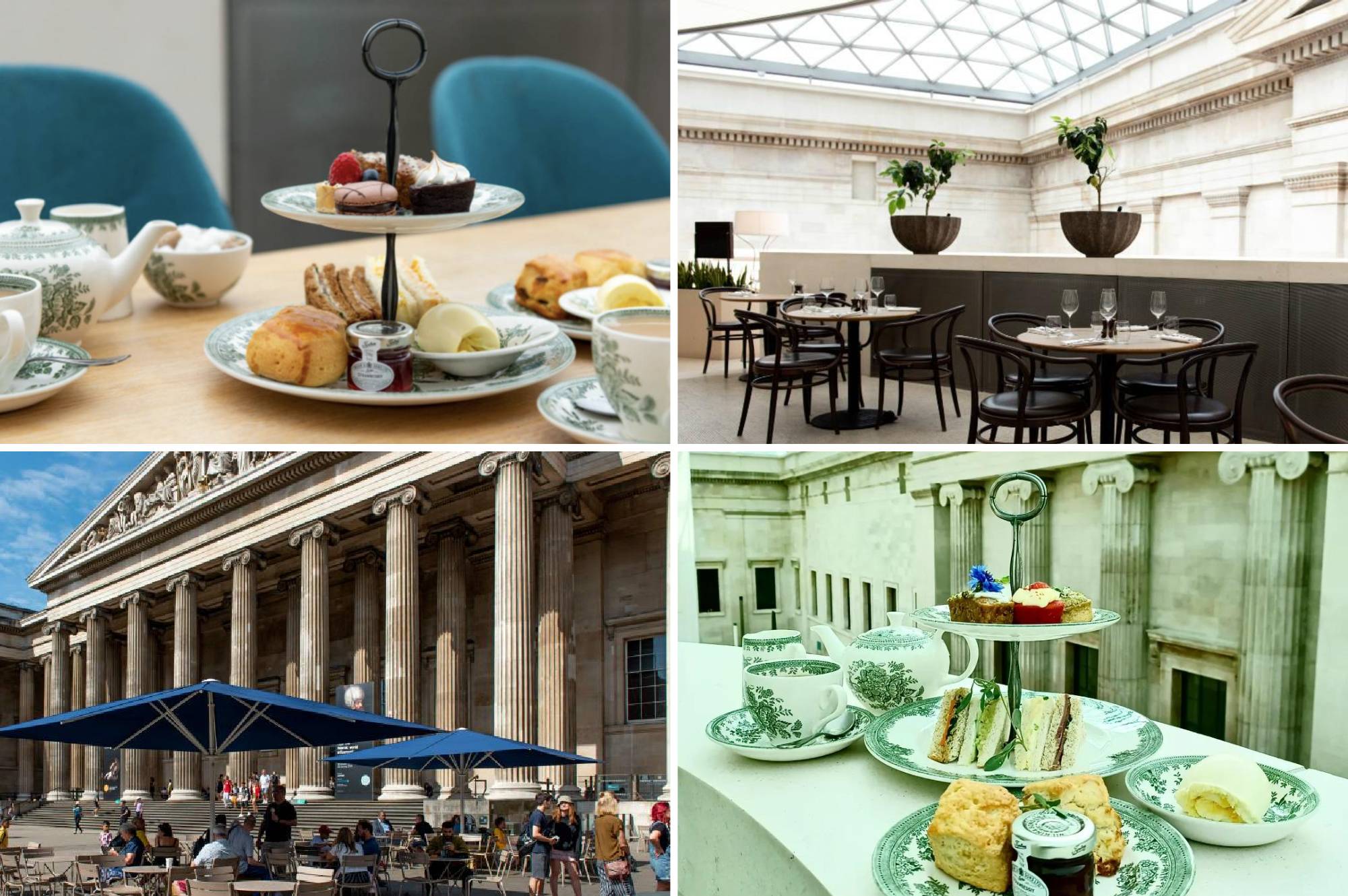
- Court Cafés – the menu includes sandwiches, salads, pastries and beverages. Open daily from 10:00 to 17:00.
- Great Court Restaurant – a place with a more sophisticated ambiance; reservations are necessary in advance.
- Pizzeria – guests can relish pizza, salads and desserts.
- Coffee Lounge – enjoy lunch while overlooking the Great Court.
- Outdoor dining – a location featuring food trucks, snacks and beverages.
Parking Facilities
There is no parking lot adjacent to the museum; it is advisable to utilise public transport or nearby paid parking facilities in the city:
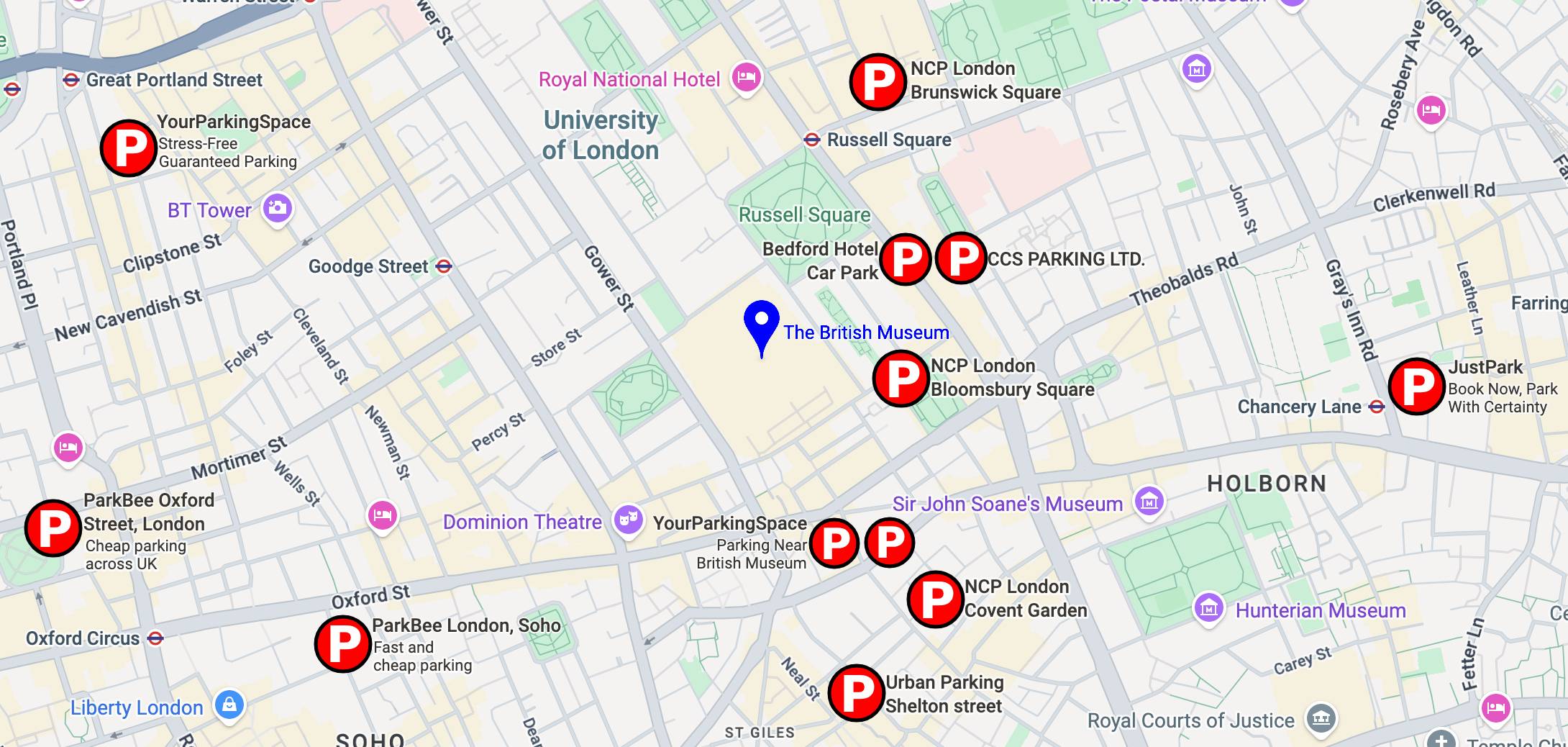
- NCP London Bloomsbury Square – a spacious car park located in Bloomsbury Square.
- NCP London Brunswick Square – another well-frequented car park situated just north of the museum, also within walking distance.
- YourParkingSpace (Royal National Hotel) – private parking options available near the Royal National Hotel, which can be reserved in advance through the service.
- YourParkingSpace (Parker Mews) – a car park located in the Parker Mews area.
Contact information and postal code
Location: Great Russell St, London WC1B 3DG, United Kingdom
Phone: +44 (0)20 7323 8299
Email: [email protected]
 Website
 Facebook
 YouTube
 Instagram
Common inquiries
Location of the Rosetta Stone in the British Museum
The original Rosetta Stone can be found in the Egyptian Sculpture Gallery (Room 4), a spacious hall that showcases a variety of ancient Egyptian artefacts.
What time does the British Museum shut?
The museum typically operates from 10:00 to 17:30 every day, extending its hours until 20:30 on Fridays.
What is the British Museum renowned for?
The museum is renowned for housing one of the most extensive collections of human history, featuring over 8 million artefacts that span from prehistoric eras to the 19th century, including the Rosetta Stone (which is crucial for interpreting Egyptian hieroglyphs) and the Elgin Marbles from the Parthenon.
What year did the British Museum commence construction?
The establishment of the museum took place in 1753, and it welcomed visitors for the first time in 1759.
Duration of a Visit to the British Museum
A brief visit lasts 2–3 hours, which suffices to view the most renowned displays. However, for a comprehensive exploration, an entire day is inadequate, given the vast number of exhibits.
What is the total number of artifacts in the British Museum?
The collection of the museum consists of approximately 8 million objects, although only around 50,000 are exhibited.

