Lionel Scaloni’s emotional leadership defines Argentina’s football approach

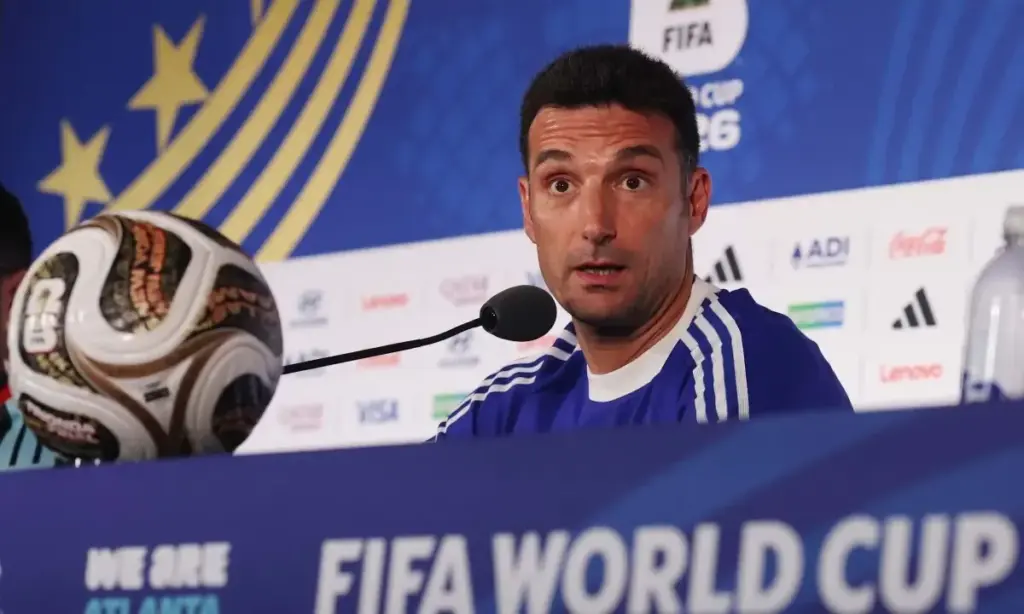
Lionel Scaloni, the coach of Argentina, has often been underestimated throughout his managerial career. When he took charge of the national team in 2018, some critics, including Diego Maradona, questioned his capability. However, eight years later, Scaloni’s tenure has been marked by significant achievements, including four major trophies and a strong win-loss record over more than 100 matches. He has also guided Argentina to five consecutive semi-finals in major tournaments, positioning them for a potential second consecutive World Cup victory, a feat not seen since 1962.
Despite his success, Scaloni maintains a humble demeanour. He has described himself as never being one of the ‘big players,’ but rather a ‘support player’ and a ‘nice guy.’ This self-perception contrasts with his growing stature in international football.
The ‘Llorona’ Coach
Scaloni’s emotional transparency has become a notable aspect of his coaching style. Before the 2022 World Cup final against France, he attempted to deliver a crucial team talk but became overwhelmed with emotion, choking up and crying. He then turned to his assistant, Pablo Aimar, to continue, who was also visibly emotional. Another staff member, Walter Samuel, was then asked to step in, but he too declined, describing it as ‘the worst team talk of all-time.’
This incident led to his players affectionately calling him ‘the llorona,’ or ‘the crybaby.’ Lionel Messi has confirmed these occurrences, noting Scaloni’s difficulty in speaking when emotional. This vulnerability has reappeared in the current World Cup, particularly when Messi scored a hat-trick in Argentina’s opening match against Algeria and after a comeback victory against Egypt, where Scaloni admitted to being ‘very, very emotional.’
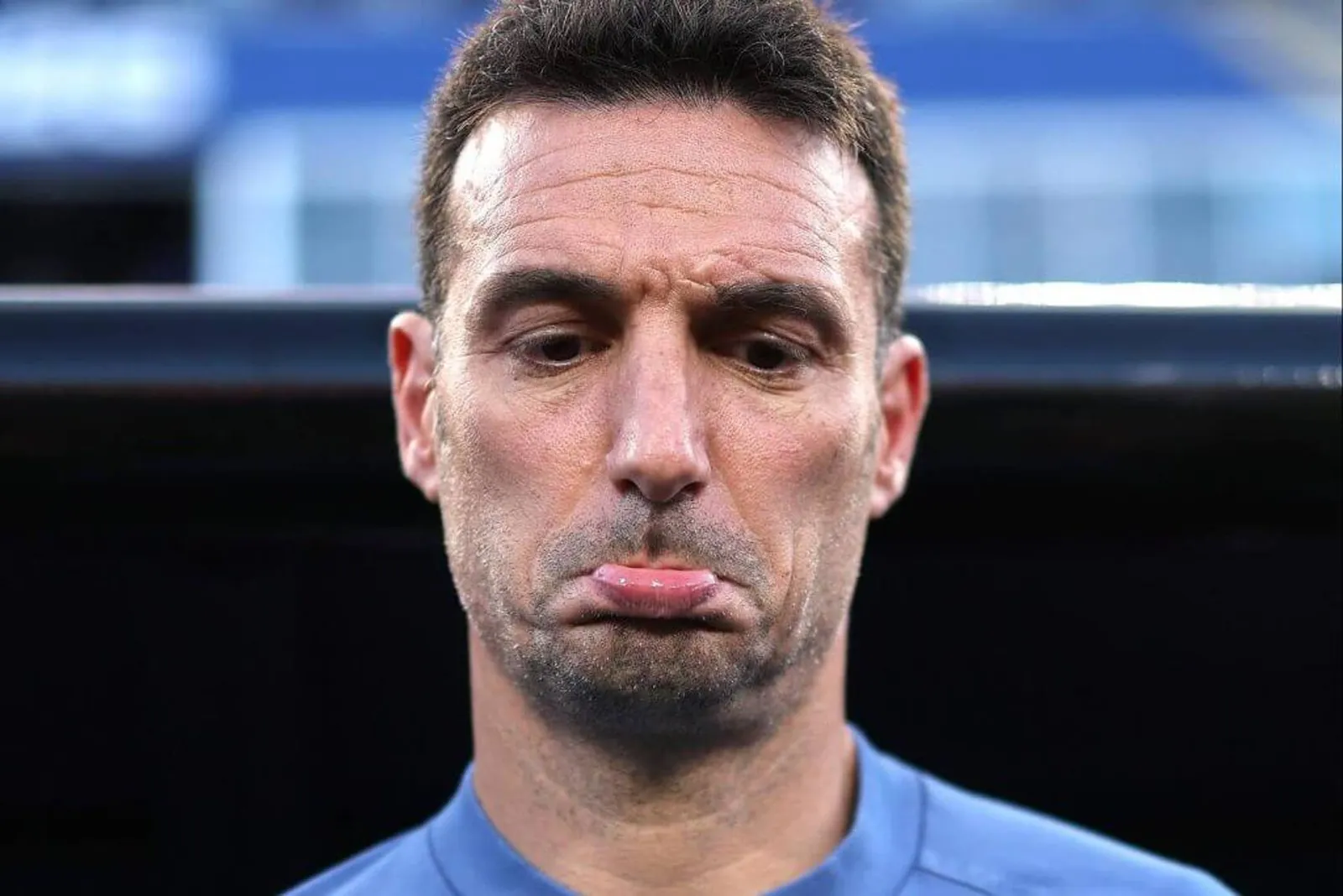
In a football culture often associated with machismo, Scaloni’s open display of emotion stands out. While some of the traditional Argentine ‘hard men’ spirit remains within the team, exemplified by players like Rodrigo De Paul, known as Messi’s ‘bodyguard,’ and Cuti Romero, Scaloni’s approach offers a different foundation. He has cultivated an environment where emotional intelligence and team spirit are prioritised over rigid tactical adherence.
Beyond Tactics: Relationships and Resilience
Scaloni’s coaching philosophy extends beyond traditional tactical frameworks. He has been observed to downplay formations in favour of fostering strong relationships within the squad. As De Paul noted, the aim is ‘making the person better to make the game better.’ Leandro Paredes highlighted the team’s dedication to ensuring Messi’s career continues, stating, ‘We work so that Messi’s last game never arrives.’
The team’s success is attributed to this relational approach. Scaloni manages to keep a large squad content, which Paredes believes contributes to Argentina’s victories. The coach’s ability to treat his players as individuals rather than mere components on a chessboard is seen as a key factor. Emi Martinez has even suggested that Scaloni is on track to become ‘the best manager in the history of the Argentine national team.’
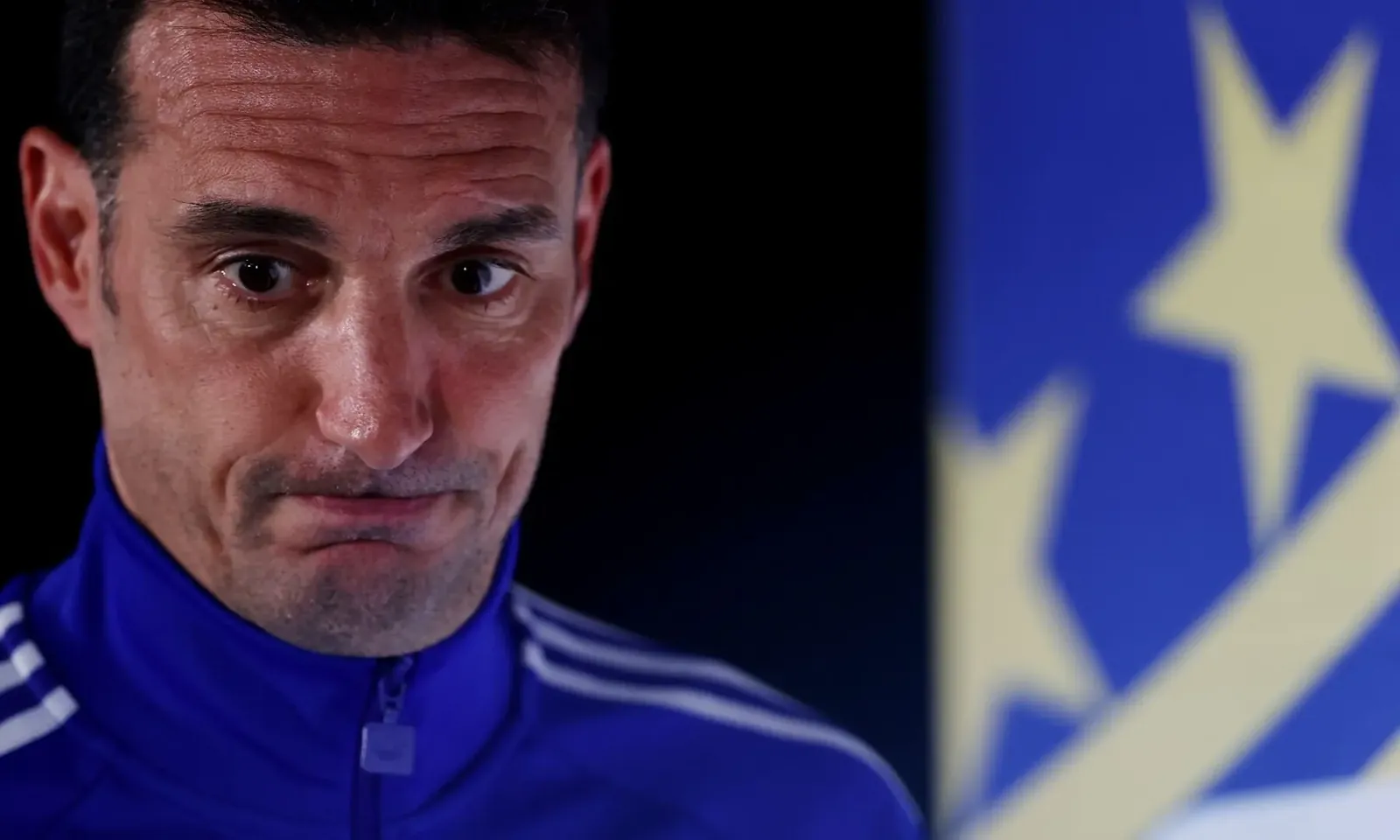
Scaloni has also demonstrated tactical flexibility. In the World Cup four years prior, Argentina adapted their lineup significantly between the start of the tournament and the end of the group stage. This ability to recalibrate the team based on circumstances, with staff members like Matias Manna contributing, allows for continuous adjustments. For instance, Paredes has gradually replaced Thiago Almada in the current tournament.
Despite the focus on emotional bonds, Scaloni acknowledges the importance of game plans and player assignments. However, he also believes that ‘football is also about heart, gut instinct and never giving up.’ This perspective is evident in his team’s recent performances, which have been characterised by resilience. In the knockout rounds, Argentina has faced challenges, needing extra time against Cape Verde and Switzerland, and coming back from a two-goal deficit against Egypt. These matches have been thrilling but have also drawn complaints regarding refereeing decisions, which Scaloni has dismissed, pointing to historical claims of favouritism towards Argentina.
The Two Leos and Team Identity
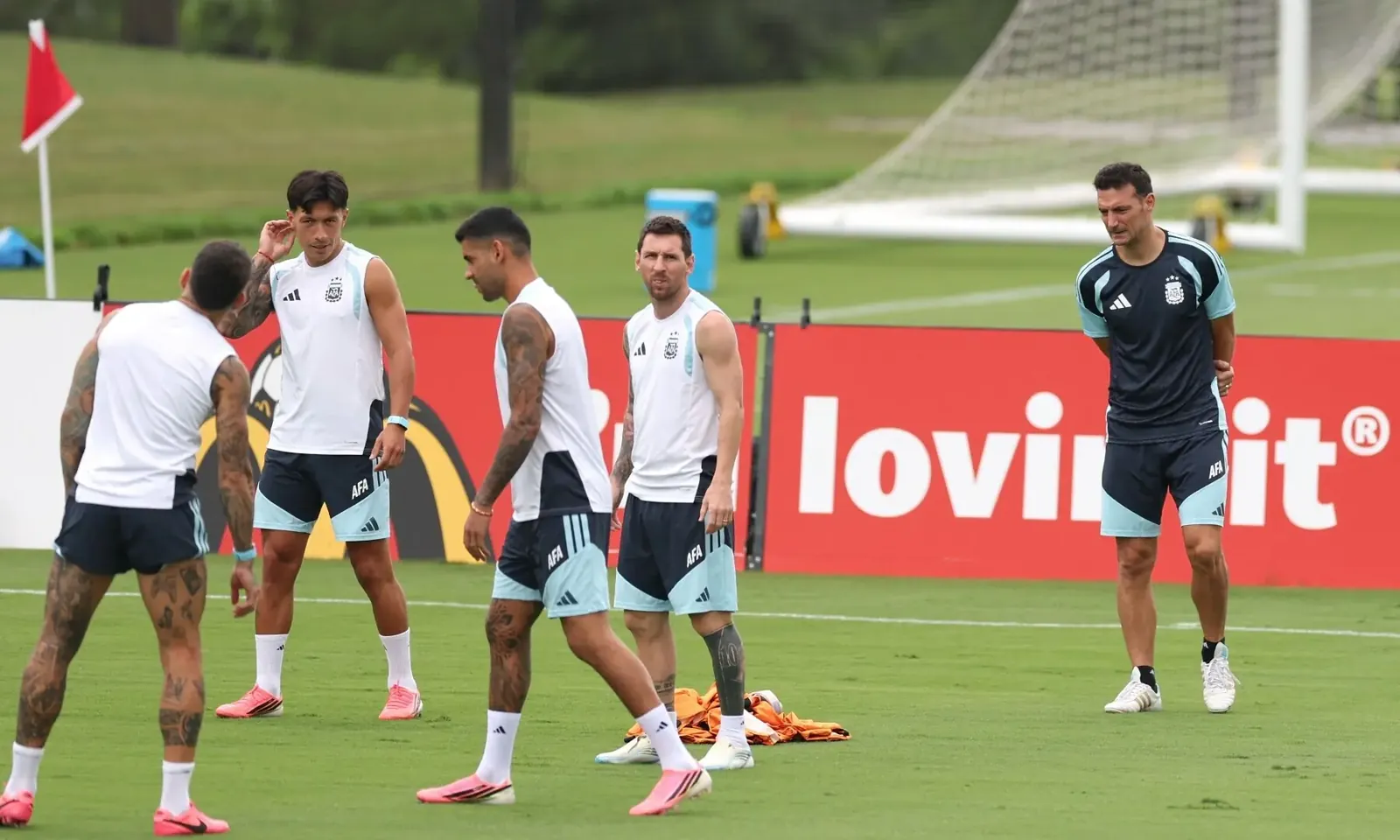
The strength of the Argentina team is often attributed to its ‘two Leos’: Lionel Messi, the gifted player, and Scaloni, the coach who has created an environment for him to excel. Scaloni’s achievement lies in managing Messi’s presence without being overshadowed by it. As journalist Pablo Nicolas observed, Scaloni’s greatness is in ‘inventing a way not to waste him.’ This has transformed the team from playing for Messi to playing with Messi, fostering a family-like atmosphere through shared experiences like barbecues and traditional mate drinks.
Scaloni himself has highlighted the value of these shared moments, revealing that training sessions are sometimes shortened to allow for an ‘asado.’ He believes these activities build team cohesion, stating, ‘It’s not just about what happens on the pitch.’ He recalls similar experiences from the 1997 FIFA World Youth Championship, emphasising that such bonds are unforgettable and contribute to a stronger team.
Ahead of the semi-final against England, Scaloni has consistently stated that it is ‘nothing more than a football match,’ a mantra he frequently repeats. However, his journey from an underestimated manager to a potential two-time World Cup winner has solidified his legacy. His emotional reactions, often seen after significant victories or comebacks, underscore the deep connection he has with his team and their achievements.
Scaloni’s approach, which prioritises identity and emotional intelligence over strict ideology and tactical rigidity, has resonated with his players. This philosophy has created a team that, according to fan chants, plays ‘For the Malvinas. For Diego. For Leo’s last (World Cup),’ driven by a desire to stay together and continue their journey in the tournament.
The upcoming semi-final against England is anticipated to be a significant tactical battle. While Argentina has shown vulnerability at the back in recent knockout games, conceding goals to comparatively weaker opponents, their defensive process has been strong overall. Wayne Rooney has pointed to Messi’s defensive contribution as a potential weakness that England might try to exploit. The midfield battle is also expected to be crucial, with Robbie Fowler suggesting that control of the game will go to the side that wins this area without compromising its defensive structure. Jude Bellingham and Harry Kane have accounted for a significant portion of England’s goals in this World Cup, and how Argentina contains them will be key to Scaloni’s tactical plan.
The semi-final match between England and Argentina is scheduled for Wednesday.
Read Also
- England to face Argentina in World Cup semifinal in Atlanta
- ICC unveils new formats for 2027 ODI and 2028 T20 World Cups
- India aim for series win against England as Gill's fitness and Rohit's form are in focus
- Ravichandran Ashwin urges India to back Kuldeep Yadav as frontline spinner for 2027 World Cup
Source: nytimes.com

